The End Times
One story, not two: one return, one people of God, one unbroken story
Few corners of the faith have drawn more fear or more fantasy than the last things. This section makes one quiet, sweeping claim that reorders the rest: it is one story, not two. The church read prophecy for eighteen centuries before the modern charts arrived, and it read the Kingdom as already begun, the King already reigning, mostly unseen, but reigning. Recover that, and the panic drains out of the subject and hope takes its place.
It begins by widening the lens. Eschatology tells the one story the church saw before the charts redrew it. Is the Rapture in the Bible? answers yes and no, and shows why the distinction is everything; Taken, or Left? weighs the verse that has split faithful readers. Dispensationalism names the lens behind the rapture charts, Covenant Theology vs. Dispensationalism sets the two systems side by side, and Tested reads three dispensational claims to see which come out of the text and which are read into it. The Timeline lays the four traditional schemes out visually and offers a fuller synthesis, and Lining Up the Verses About the End puts every passage the chart draws on in one table, quoted whole.
At the center stands the recovered conviction. Kingdom is the church's oldest belief (that Christ already reigns, mostly unseen) and Harvest is its consequence: if the King reigns, the fields are white and laborers are called. Around it the symbols get read soberly. Antichrist asks who the New Testament and the early church actually meant. Armageddon & Babylon treats history and symbol, not a crystal ball. Temple explains why the early church expected no rebuilt one.
Then the road lands where it was always going. Judgment is the day every life is laid open. Hell is what Jesus warned of, held soberly in the light of the cross, neither minimized nor relished. Heaven is not clouds and harps but a renewed world and the face of God. And Hope is where it all comes to rest: not wishful thinking, but an anchor that holds.
Start here
The one claim that reorders the rest, and the four schemes laid out side by side.
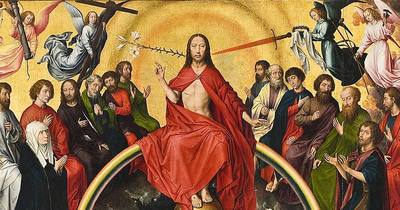
The End Times
One story, not two: the nine end-times letters gathered, with the drift from the early church to the modern charts.
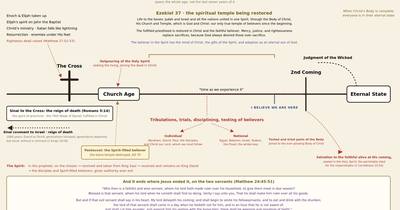
Eschatology at a Glance
The four millennial views side by side, then a fuller synthesis. Drawn clean.
The Eschatological Timeline (full chart)
My own hand-drawn end-times timeline, redrawn whole, with Scripture added.

Lining Up the Verses About the End
Every passage about the end in three tables, quoted whole: each with its own words about when; the same scene side by side across the books; the four kingdoms four ways. Then the three arrangements and the men who dated Gog.
The Kingdom, already
The church's oldest conviction: Christ already reigns, mostly unseen, and the fields are white now.
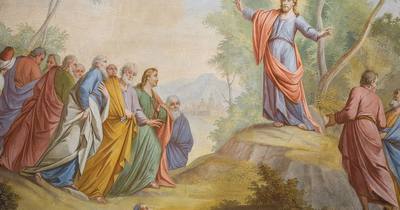
The Kingdom Is Already Here
Christ already reigns, mostly unseen. The postponed-kingdom view is the outlier, not the mainstream.
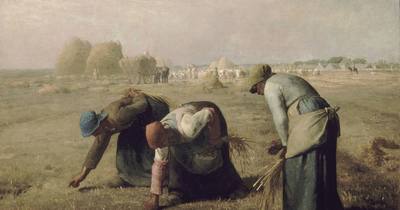
The Harvest Is Now
If the King reigns, the fields are white now. Too few workers, the first remedy was prayer, the long shadow of unbelief, and Moses' longing for the Spirit on all, answered at Pentecost.
The rapture, and the lens behind it
A catching-up, yes; a secret pre-tribulation rapture nobody taught before the 1830s. And the system built around it that produced the charts.
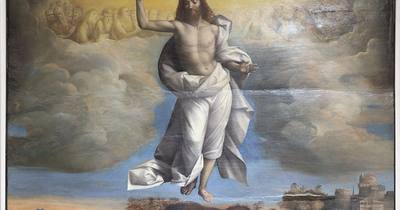
Is the Rapture in the Bible?
A catching-up, yes; a secret pre-tribulation rapture the church had never heard for 1,800 years.
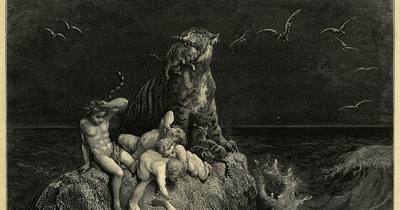
Taken, or Left?
“One shall be taken, the other left”, and “Where, Lord?” The body-and-eagles saying, the two ancient readings, and the one word it turns on, set side by side. A question weighed, not a verdict.

What Is Dispensationalism?
The 19th-century lens behind the rapture charts and the two-track Israel/church split.
Covenant Theology vs. Dispensationalism
Two frameworks for reading the whole Bible, side by side. One people of God, or two?
Dispensationalism, Tested by the Text
The short, shareable version: three distinctive claims, each tested against Scripture.
Reading the prophets soberly
Daniel, Revelation and the rest, read as history and symbol rather than as a crystal ball.
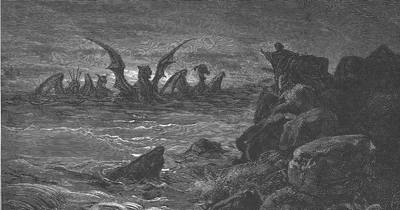
Daniel and Revelation, Read Together
Both books chapter by chapter: the four kingdoms, the Son of man, the seventy weeks, the beasts and the healed wound, Babylon, the thousand years. What the site holds firmly, loosely, and not at all, with the Study Bible one click away.
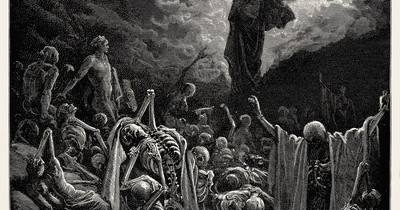
The End Times in the Prophets and the Apostles
Isaiah, Ezekiel, Zechariah, Joel, Malachi, the Psalms, and the apostles on the last things: what each passage says, how the New Testament uses it, and what the site holds. Companion to the Daniel and Revelation page.
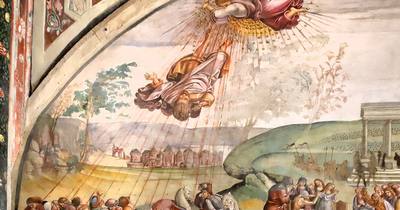
The Antichrist
John's own word, and he says there are "many," already. A present spirit, not one future dictator.
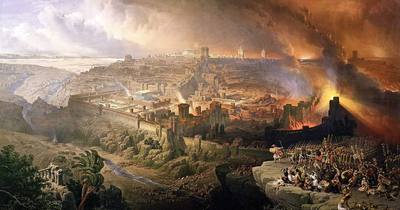
Armageddon & Babylon
A real ancient battlefield; "Babylon the Great" most likely first-century Jerusalem, judged in AD 70.
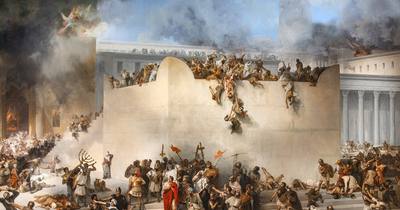
Is a Third Temple Coming?
Christ is the final temple and the final sacrifice; the believer is the temple, and the City has none.
Where the road lands
The day every life is laid open, and the two ends, held soberly and never gloated over.
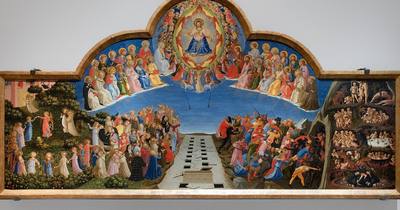
The Judgment
The day every life is laid open and every wrong is answered: the great assize, the books, and why the believer meets it in Christ and not in dread.
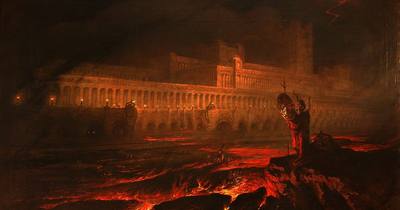
Hell
What Jesus warned of, held soberly and never gloated over, weighed in the honest range of historic views and read in the light of the cross.

Heaven
Not clouds and harps but a renewed world and the face of God: the resurrection of the body, the new heavens and earth, and the home we were made for.

Hope
Not wishful thinking but an anchor that holds: the sure and certain expectation of God's promises, fixed to the One who has already gone ahead.
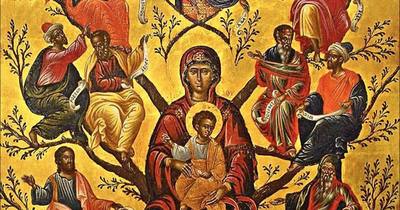
Prayers for the Dead, and the Fire
A question this site does not settle. The practice is early and undisputed; the doctrine is not. Origen, Cyprian, Lactantius and Chrysostom read the same verse four different ways, and Chrysostom reads it as final judgment. Laid out with the evidence on every side.
20 letters. Part of the index of letters.