Weighing Teachings, Loving People
Test rigorously, love generously. Neither alone is faithful
Two kinds of drift show up here. There is the large-scale drift, whole systems the early church never held, measured against the faith of the first centuries and even against the Reformation's own confessions. And there is the everyday drift, familiar teachings flattened into half-truths: communion reduced to a bare memory, prayer treated as pointless, "wine" explained away, "judge not" turned into a thought-stopping slogan. In each case the cure is the same, read the text again, in the company of the church that first received it.
The standard is "the faith once delivered." The closer a teaching sits to what the martyrs died for and the global church has always confessed, the more weight it carries; the newer and more local it is, or the more it depends on a slogan that collapses under the whole text, the more it has to prove. None of this is a private system invented to win arguments. It is the report of what was believed, set beside the words of Jesus and the prophets, so that anyone can see how far a teaching has drifted, and find the way back. (See also the deeper history in Heard With the Fathers, where the earliest church speaks in its own words.)
The test
One searching question applied to systems and slogans alike: when did the church actually start believing this?
What Makes a Teaching False
Three marks, all of them touching the gospel or the Person, and the half that gets skipped: what Scripture says is not a dividing line at all.
Where the Church Drifted
A simple test, when did the church start believing it?, applied to big systems and everyday slogans alike.
Did the Church Get It Wrong for 1,800 Years?
A simple test for any doctrine: when did the church actually start believing it?
The Road Home
For the believer taught to trust nothing before 1500: Calvin, Luther and the Augsburg Confession, in their own words, pointing back to the early church. With a reading.
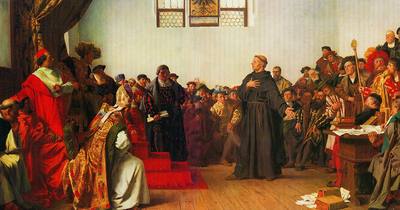
Even From Their Own Confessions
A nearer drift: how far the modern SBC, CRC, and Presbyterians moved from the 1689 and Westminster.
The Label and the Man
Most of us follow what came after the teacher, not the teacher. Paul dug two ditches; his successors dug one. The door to the drift letters.
Read Them Yourself
every tradition's confession, linked to the text that tradition itself publishes
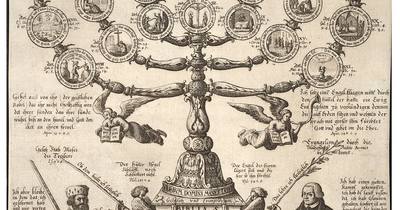
The Augsburg Confession (1530)
the Lutheran confession in full, the one Bellarmine answered, and the Reformers' own appeal to the Fathers
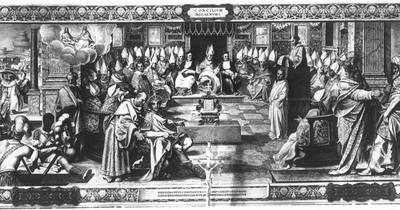
Who Believes What
thirteen traditions on the same ten questions, with size estimates
And the posture
Because the fiercest enemies of God were the devout, and testing a teaching is not the same as despising a people.
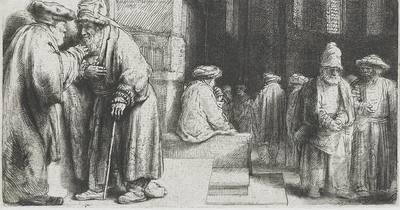
When the Devout Miss God
The fiercest opposition to God came from the most religious. A warning the devout point first at themselves.
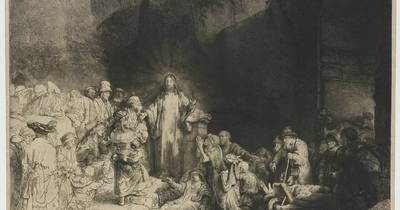
Loving the Church You Disagree With
Testing a teaching is not despising a people. The one body, sectarian pride, and holding truth and your brother at once.
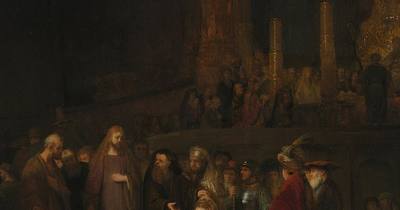
"Judge Not"?
The cliche vs. the Bible's real shape: no hypocritical condemnation, but real discernment, judgment within the church, and restoring the fallen.
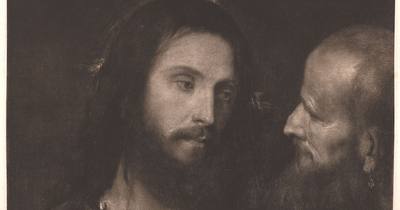
No Party, One King
The early church had no party; it had a King, and it died rather than call Caesar lord. The Pharisee's accurate prayer, John 18:36, honor the king and obey God, and the sin that looks like righteousness. Keep the standard, drop the ranking.
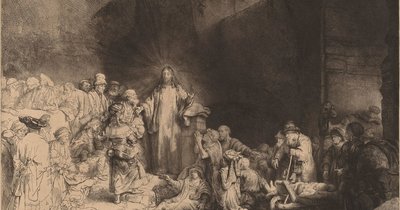
Questions from the Threads
What people asked on Facebook in the autumn of 2026, grouped by subject, with the short answer, the page that carries the long one, the concessions made, and what is still open. The running record.
Worked examples
The method applied to particular disputes, each one going to the text before the arguments start.
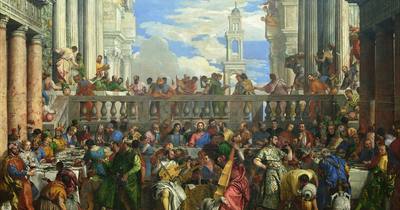
Did Jesus Make Wine, or Welch's?
Honesty with the text: the Bible's wine was wine. Use, not abuse.
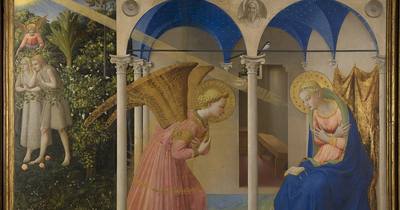
What the Hail Mary Is
Not a defense and not an attack. Half of the prayer is Luke quoted verbatim; the other half is the question. What Rome claims, what Scripture says both ways, and where Jesus set the balance.
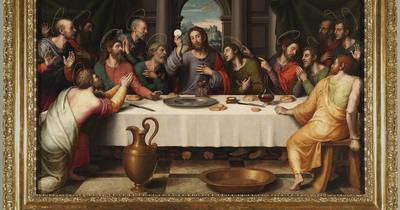
Who Walked Away in John 6
A sermon said the Catholics are the disciples who left. Read the chapter again: the ones who left could not stomach "eat my flesh," the ones who stayed confessed Him, and Ignatius and Justin read the bread the way the sermon called confusion.
When the error is not innocent
The enemy rarely attacks head on; he imitates and inverts. These pages form their own ring.
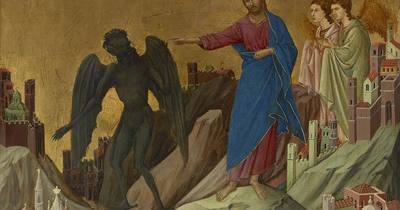
An Angel of Light
The enemy imitates what he cannot create. The counterfeit pattern in Scripture, and one documented modern case handled by the public record, with the conspiracy overreach named and set aside.
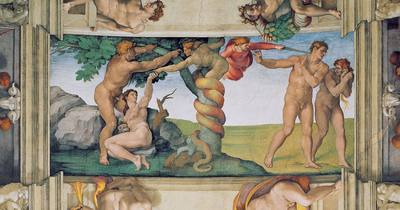
The Oldest Lie
"Ye shall be as gods." The serpent's first promise of self-deification, traced in its own words from Eden through Blavatsky's Theosophy to the New Age, and the gospel that runs the opposite way.
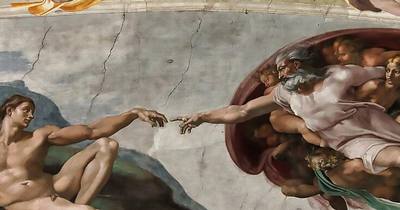
A Clean Line
Eugenics is the consistent application of evolution, by its founders' own words. Why the same facts read as progress or as horror, and why the image of God is the dividing line.
A Sound Mind
COVID as a test of fear the church largely failed in both directions. The concerns that were real and the ones that overshot, handled by the public record, and the sound mind God gives instead of panic or blind compliance.
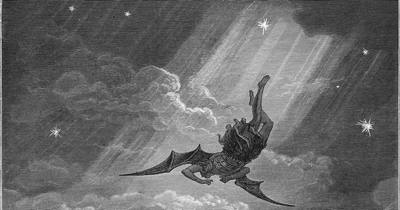
The Power of the Air
A question held open, not answered: the UAP phenomenon is real enough that governments now admit it, and a few serious thinkers, secular and Christian, have asked whether some of it is spiritual rather than extraterrestrial. Try the spirits.
18 letters. Part of the index of letters.