The Label and the Man
Most of us follow what came after the teacher, not the teacher. One letter that leads to the rest.
A lot of Christians believe what the Bible says, or want to. Ask them how they read it and most will give you a name: Calvin, Luther, Augustine, Wesley, or a system with a name, like the five points. That is not a bad thing. Nobody reads alone. But dig a little and something shows up almost every time: the name on the label is not the man who is actually being followed.
The label drifts from the man
Take the five points. They are called Calvinism, and the acronym TULIP is taught as if Calvin wrote it. He did not. The five points were set out at the Synod of Dort in 1619, fifty-five years after Calvin died, as an answer to five points the Arminians had raised, and the acronym itself is not found in print until the twentieth century. Calvin taught that the saints persevere, so the doctrine's name is his; but read him on assurance and on the warnings, and then listen to how "once saved, always saved" is preached in most churches today, and the distance is wide. The people who say "I follow Calvin" are, for the most part, following what a later century made of him.
The same thing happens to a confession. A church that names the 1689 or Westminster on its website often preaches something those documents would not recognise. It happened to Augustine, whose followers took his late writings against Pelagius further than he took them. It happened to Luther, whose "faith alone" was never meant to mean a faith that does nothing. And, if we are honest, it happened to the Scriptures themselves. For about four hundred years the church stayed close to what had been handed down from the apostles, from John to Polycarp, and from Polycarp to Irenaeus, who says he sat and listened to him. After that the lines started being drawn, and every line drawn was a place where one side of the road was fenced off.
Paul dug two ditches
None of this is new. Paul was fighting it while the ink was wet. On one side were the Judaizers, who said grace was not enough and the law had to be added back:
I marvel that ye are so soon removed from him that called you into the grace of Christ unto another gospel: Which is not another; but there be some that trouble you, and would pervert the gospel of Christ.
Galatians 1:6-7
On the other side were the easy-grace people, who heard "grace" and concluded that nothing was asked of them. Paul was already being quoted that way, and he called it slander:
And not rather, (as we be slanderously reported, and as some affirm that we say,) Let us do evil, that good may come? whose damnation is just.
Romans 3:8
What shall we say then? Shall we continue in sin, that grace may abound?
Romans 6:1
He said it again to the Galatians, in the same letter where he had just torn down the law as a way of salvation: "use not liberty for an occasion to the flesh" (Galatians 5:13). He quoted the Corinthians' own slogan back to them, "all things are lawful unto me," and answered it (1 Corinthians 6:12). He told the Thessalonians that "God hath not called us unto uncleanness, but unto holiness," and that the man who despised that "despiseth not man, but God" (1 Thessalonians 4:7-8). Jude named the men outright, "turning the grace of our God into lasciviousness" (Jude 1:4). And at the far end of that same slope stood Hymenaeus and Philetus, who had spiritualised the faith until the resurrection was "past already" (2 Timothy 2:17-18), the first of the gnostics.
Two ditches, one on each side, and Paul dug both in the same letters. He never answered the Judaizers in a way that gave the easy-grace people cover, and he never answered the easy-grace people in a way that handed the Judaizers their law back. He stood in the road.
One ditch dug, then crossed
Here is the pattern that came after him, and it is the mistake this whole section of the site is about. A teacher meets one error and digs one ditch against it. The ditch is a good ditch. But his followers keep digging on that side only, and the defense of the ditch becomes the best offense for crossing the road into the other one. Augustine against Pelagius is the clearest case: Pelagius said man could save himself, Augustine answered that grace does everything, and within a few generations the answer had hardened into a system in which the warnings in Scripture could no longer mean what they say. Dort against the Arminians is the same shape a thousand years later. And "faith alone" against Rome became, in some hands, a faith that has no fruit and needs none, which is exactly the thing Paul called slander.
When two ditches are dug, a church can stay on the road for a long time. When one is dug, the road is lost in a generation, and the people who lost it are usually the most loyal followers of the man who dug it. That is why the label drifts from the man. The man was answering an error. The followers made the answer the whole faith.
We hope to learn from that mistake
This site could dig one ditch as easily as Augustine did. Most of the letters here were written against something, and a letter written against something leans. So every letter that argues a side tries to name the other side of the road before it ends, and the weight in every argument goes first to Scripture, and then to the men who heard the apostles, before it goes to anyone who was answering a heresy. Not because the later teachers were small men; many of them were giants. Because every human teacher drifts in his followers' hands, and the only words that have not drifted are the ones He said would not:
Heaven and earth shall pass away, but my words shall not pass away.
Matthew 24:35
So the invitation is the same to a Calvinist, a Baptist, a Catholic, or a man who says he just follows the Bible: go back past the label. Read the man himself, then read the men before him, then read the Book they were all reading. The letters below do that one piece at a time.
The letters, one piece at a time
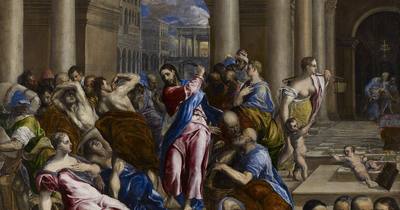
Every Line Drawn Is Another Division
The pattern itself, split by split: Scripture holds two truths, someone makes it hold one.
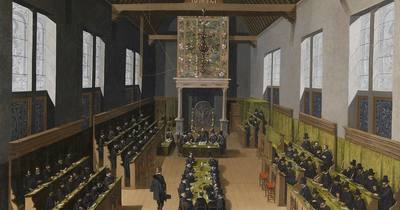
Where the Five Points Came From
Dort, 1619, fifty-five years after Calvin. What the early church said on each point.
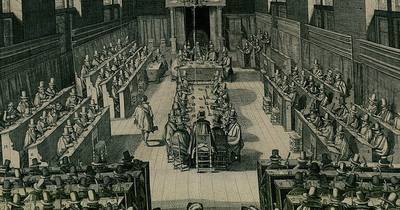
TULIP: The Five Points, Tested by Scripture
Each point set against the passages it has trouble holding.
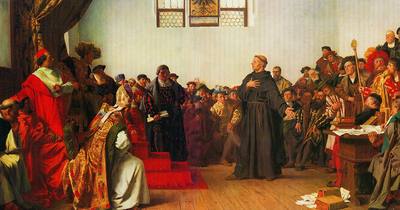
Even From Their Own Confessions
The nearer drift: what the 1689 and Westminster say, and what is preached under their name now.

Augustine: The Restless Heart
The man himself, what he got right, and where his followers took him further than he went.
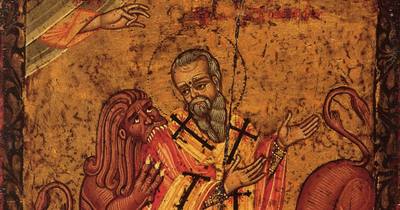
The Witnesses
Who said it, when, and whether they kept the faith or drifted. John to Polycarp to Irenaeus.

Did the Church Get It Wrong for 1,800 Years?
The simple test: when did the church start believing it?
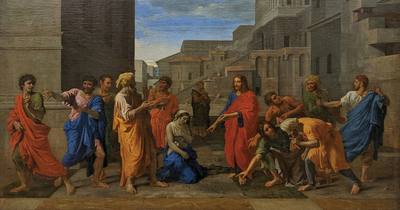
Hyper-Grace
The second ditch today: grace preached so that nothing is asked.

The Security of Salvation
Can a Christian fall away? The oldest answer and the texts behind it.
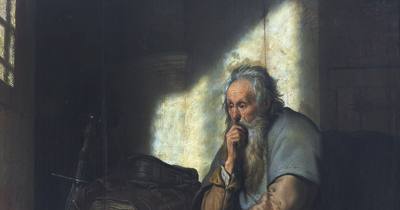
The Warning and the Way Home
What Scripture says to believers in danger of letting go.
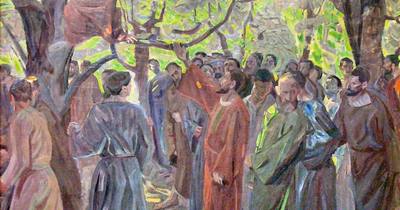
Who Gets to Say
Whether anyone has the warrant to pronounce another person's final standing.
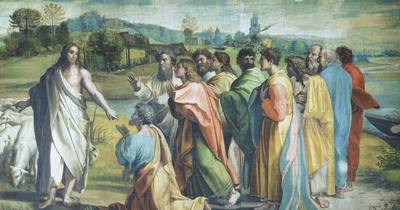
A Way Out
Augustine against Pelagius, on the question itself: can we do what God commands? Yes, because He gives it.
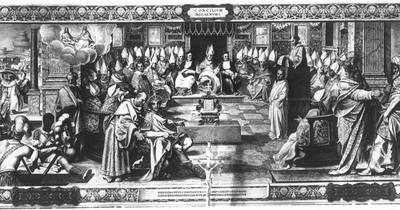
Who Believes What
Thirteen traditions, the same nine questions, answered as each would answer them.
Study the passages
- Galatians 1:6-7: the first ditch, another gospel
- Romans 6:1: the second ditch, continue in sin that grace may abound
- Galatians 5:13: liberty, not an occasion to the flesh
- 1 Thessalonians 4:7-8: called unto holiness
- 2 Timothy 2:17-18: Hymenaeus and Philetus
- Acts 20:29-30: from your own selves shall men arise
- 1 Corinthians 1:12: I am of Paul, I of Apollos
- Jude 1:3: the faith once delivered