Saved & Kept
How a person is saved and kept, and the ways grace meets us
1 Corinthians 15:3-4 · KJVFor I delivered unto you first of all that which I also received, how that Christ died for our sins according to the scriptures; And that he was buried, and that he rose again the third day according to the scriptures
Paul says he is handing on something he was handed. It is the oldest sentence in the New Testament, older than the letter carrying it, and everything below is one question or another about what it means to be in it and stay in it.
How is a person saved, and how is a person kept? Around those two questions cluster most of the arguments that have split modern Christians, eternal security and falling away, faith and works, grace and obedience, Savior and Lord. These letters work through them one at a time, and the thread that ties them together is an old one the early church held before the later systems hardened: salvation is a living relationship with God, given freely and received by faith, a faith that is alive and acts, kept by grace, and never to be presumed upon.
The road runs between two ditches. On one side is legalism, earning what only grace can give; on the other is cheap grace, a forgiveness so automatic that sin no longer matters. Scripture refuses both. Grace is the power to rise from sin, not permission to stay in it; faith is not a stored opinion but a verb that lives; and the Jesus who saves is Lord, not a Savior you can take in half. Read these together and the picture is whole: a real relationship you can truly leave and truly come home to.
Put them together and the gospel stands clear of both ditches. We cannot save ourselves, and we are not saved by a single transaction we can then forget; we are brought into a living relationship with God, received by a faith that works through love, kept by His grace, and called to abide to the end. You can truly fall, and you can truly come home. That is not a softening of grace but its very shape, the same shape the earliest church confessed, before the gospel was hardened into either a ladder to climb or a verdict to bank. (For the related study of how teachings drifted, see the 1,800 years and Heard With the Fathers.)
Julianus Pomerius, On the Contemplative Life I.19 · c. AD 500 (long attributed to Prosper of Aquitaine) · via Bellarmine IV.8The word of faith is to be preached, that the hearer may believe, believing understand, understanding perseveringly exercise good work — since neither works without faith, nor faith alone without works, justify.
Start here
Three letters carry the argument. Everything else is one of them worked out.
Salvation & Grace
Saved, and kept: the salvation letters gathered, grace neither cheap nor a cage, a faith that lives and acts.
Grace: the Favor You Could Never Earn
Unearned, unrepayable, and not a license: what grace actually is, and why it humbles before it lifts.
The Security of Salvation
Can a Christian fall away? The older answer between once-saved-always-saved and the Calvinist lock.
Can a Christian fall away?
The question this section exists for, answered from the texts rather than from a system. The warnings gathered whole, the assurances beside them, and the images Scripture itself uses.
Greater Than Our Heart
For the reader the warnings keep awake. They are not softened here. But faith is the floor you stand on, not a feeling you have to produce, and John says the heart is the thing being persuaded, not the judge doing the sentencing.
Every Warning, Gathered
For the reader who is sure he stands: 51 warnings from Genesis to Revelation in one place, quoted whole, with the eight great assurances beside them and the conditions inside them marked.
The Warning and the Way Home
The warning passages read at face value, Chrysostom on Hebrews 6, and the grace that holds the door open: an essay companion to the Security page.
No Man Plucks Them
John 10:28 is the most-quoted verse for eternal security, always quoted alone. Read whole: the prophets behind it, the hirelings, the authority no one else holds, and why the warnings are still there.
The One Word, Over and Over
Why the whole Bible reads as a relationship rather than a rulebook, and what holding it that way costs.
The Vine
Abide or be cut off, grafted in and kept by faith. The whole gospel told as a plant, Isaiah to John 15.
Who Gets to Say
Nobody in the New Testament ever declares another person saved. Not once. The Spirit's coming is witnessed and argued from; salvation is something God knows and you hope. And every assurance text in Scripture is addressed to the person themselves.
The Word He Used Only Once
A woman weeping at a dinner party, a servant taken by the throat, and the one word Jesus spent a single time in the whole New Testament. What refusing to forgive actually costs, and who those severe verses were aimed at.
The Tree of Life
Barred in Genesis, standing open in Revelation, and the same Greek word for the tree He hung on.
Take Not Thy Holy Spirit From Me
Judas fell, the Spirit departed from Saul, Samson did not feel Him go, David begged Him to stay. Then at the Jordan the Spirit came on Christ and remained. The whole Bible on the Spirit who comes, goes, and at last stays, and why the word is abide.
Take Not: Going Deeper
The working behind the letter: four Hebrew verbs the English flattens, the two strongest objections, and the answers.
The Soul That Sinneth (Ezekiel)
Ezekiel against OSAS and inherited guilt: the righteous can turn and die, each answers for his own sin, and that unravels a puzzle about Christ. Plus the presumption that misses God.
The Bored Ear
"I love my master; I will not go out free." A law about a slave, a psalm about a King, a body prepared, an apostle's signature: the servant who chose to stay, and why that is the shape of salvation.
The Thief Did More Than Believe
The proof-text for salvation by a bare decision. Read the five verses: he repented, feared God, confessed his guilt, rebuked sin, defended the innocent, called Jesus Lord and King, and asked. Six acts in one breath, with no hands free.
Grace, and the two ditches
Cheap on one side, fragile on the other. These letters walk the road between, and name what falls off each edge.
Hyper-Grace: When Grace Becomes a License
Grace twisted into permission to sin. Paul slammed that door; grace is the power to rise, not to stay.
Lord, or Just Savior?
You cannot take Him in halves. The earliest confession that saved was "Jesus is Lord."
The Sinner's Prayer
"Ask Jesus into your heart" is a modern formula. The New Testament: repentance, faith, baptism, a life in the body.
Philippians: The Road Between Two Ditches
Paul fights legalism and license at once: work out your salvation, for it is God who works in you. The mind of Christ at the center.
Faith Is a Verb
Over and over the saved did something: the blood applied, Rahab's cord, Esther's risk. Faith that acts, not a decision banked and forgotten.
Believe Into Christ
John's phrase for saving faith is believe INTO, about forty times. The devils believe THAT. The difference is a preposition, and it settles faith and works, faith and baptism, and the man who is sure his yes saved him.
What Is Love?
Not a feeling, and not niceness. God never asked for a house of stone; the temple He wanted was a man, and love is how you know He is in it. Agape as the Spirit's fruit in an abiding branch, the nice thing that harms, the hard thing that isn't love either, and a car waiting to turn left.
A Way Out
What God commands is not too hard, Moses says, and Jesus calls His yoke easy. True, because He gives what He commands, and when we fall the way back is open.
The Calvinist questions
Weighed honestly, each view at its strongest, with the places the text strains the system marked rather than hidden.
TULIP: The Five Points of Calvinism
A fair look at the five points and the Scriptures that strain each. In respect, not hostility.
The Label and the Man
Calvin did not write TULIP. A short letter on how a teacher's answer becomes his followers' whole faith, leading to the rest.
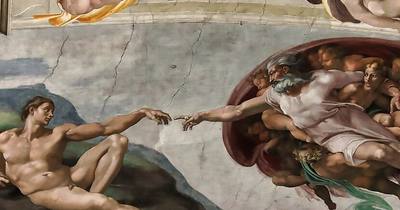
Free Will and the Plan That Cannot Fail
The mystery Scripture holds without flinching: a plan that cannot fail, working through and despite the freedom God gave a sinful people.
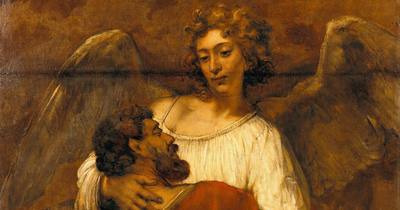
Predestination and Free Will
Some truths Scripture holds in tension on purpose: the sovereignty case and the free-will case, each at its strongest, and why the honest posture holds the mystery open.
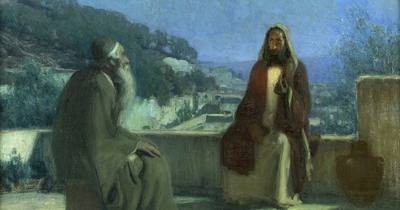
Which Comes First
Does the Spirit make a man alive so he can believe, or is the Spirit given through believing? Sproul at full strength, the distinction his case depends on, and the verses that keep saying “after that ye believed”.
Born Fallen, Not Born Guilty
What we inherit from Adam, and what we don't: a fallen nature (the oldest reading) or personal guilt for his sin. Psalm 51:5 met head-on, and how it pairs with the cross.
The order of salvation
The long arc of a life being remade: what happens first, what happens over years, and what is not finished yet.
What Did the Cross Do?
Victory, rescue, and healing, not only a legal verdict. The older, larger view of the cross.
Repentance: the Turn That Lets the Gospel In
Not groveling but a change of mind and direction, the door the good news comes through. Godly sorrow that works, not the worldly kind that kills.
Justification
Declared right with God by grace, through a faith that is never alone. What the verdict means, and why it issues in a changed life.
Adoption
The gospel does more than acquit the guilty; it brings them home. Not just pardoned but made sons and daughters, with the Spirit teaching us to say Father.
Sanctification: Being Made Holy
Saved in a moment, made holy over a lifetime. The slow, real work of grace shaping a life into the likeness of Christ.
Righteousness: Given, and Worked In
One Greek word carries both the righteousness God counts to the believer and the righteousness He works in him. Both sets of texts in full, the Fathers and Reformers on each, and why they were never rivals.
The Three Tenses of Salvation
We have been saved, we are being saved, we shall be saved — all three at once in Paul's letters. What each means, why the present tense is the one most often dropped, and how holding all three together makes the warning passages make sense.
What Does It Mean to Be Born Again?
Not a single emotional moment, and not postponed to the resurrection only. The early-church both/and: has been, is being, will be completed.
The Conscience
The courtroom inside you: the law written on the heart, a witness that can be tender, weak, or seared, and the only thing that can finally clear it.
Temptation
Being drawn is not yet falling, and there is always a way out. How temptation works, why it is not itself sin, and the escape God promises with it.
Servants and Chosen
Servant, chosen, friend, son, and why Paul still opens his letters with the first word.
The Book of the Generations
Why Scripture is built on ancestry — the toledot spine, the narrowing promise, the bloodline breached by faith — and how in Christ it is fulfilled and then reopened to all nations by new birth rather than blood.
The table, the font, and the disciplines
Grace is not only believed; it is lived. The two great signs, and the rhythms that make room for God.
Baptism in the Early Church
The what Scripture ties to the new birth, and faith’s first act. More than a bare symbol, and not mechanical magic.
The Lord's Table
More than a memorial: a real feeding on Christ. Not transubstantiation, not bare symbol.
Holy Things, and the Counting of Them
More than a memorial: a real feeding on Christ. Not transubstantiation, not bare symbol.
Prayer That Moves the Hand of God
Does prayer change anything? A God whose settled purposes still bend toward a man on his knees.
Fasting and the Quiet Disciplines
Jesus said when you fast, not if. Disciplines that make room for God, not merit badges that earn Him.
Worship
Not the songs before the sermon but the whole self answering God: worth-ship, in spirit and in truth, a whole life and not a Sunday hour. We become what we worship.

The Fear of the Lord
Not cringing dread but the awe where wisdom begins: reverence for a holy God as the root of knowledge, and how it frees rather than crushes.
Rest
The gift a world that cannot stop has forgotten how to receive: the Sabbath rhythm built into creation, and the deeper rest Christ offers the weary.
Spiritual Gifts
Given to serve the body, not to show off the bearer: what the gifts are for, and the love without which they are nothing.
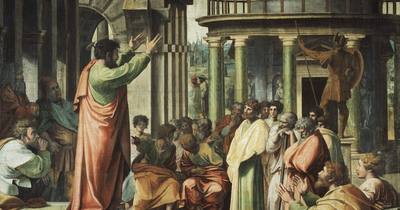
The Great Commission
The last command of the risen Christ, given to ordinary people: go and make disciples, with the promise that He is with us to the end of the age.

Money
A tool, a test, and the most common rival to God: what Scripture says about wealth and the heart, stewardship over hoarding, and why you cannot serve both God and mammon.
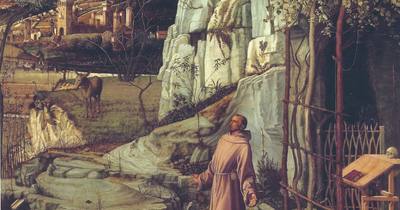
The Ones Who Went Out
monastic life read fairly: the desert, the rule, the abuses, and what is left for the rest of us
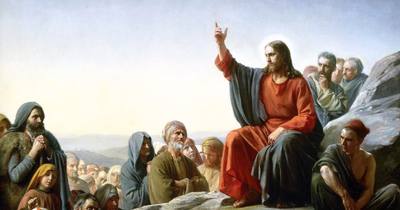
The First Door
poverty of spirit: the first sentence of the first sermon, and the one qualification nobody can manufacture
Partakers of the Divine Nature
2 Peter 1:4 and the doctrine the Fathers built on it, and the counterfeit in the garden that most resembles it
My Feasts
the seven appointed times, what each turned out to be about, and how the church still keeps most of them
Stories, and the great reversal
The Kingdom told sideways, in parables and in people, where it lands hardest.
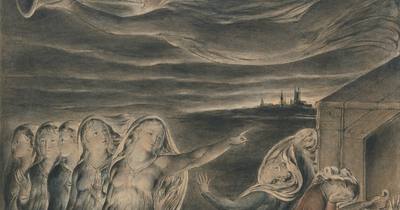
The Parables of Readiness & Judgment
Jesus's stories of who is ready, who is taken away, and who endures to the end.
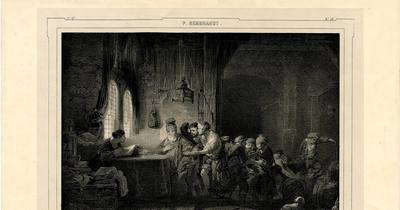
The First Shall Be Last
The gospel's great reversal, pictured in the twelve stones: the high priest's breastplate read one way, the New Jerusalem's foundations the other, the blood at the front becoming the King at the last.
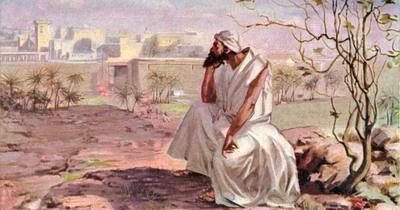
Jonah: The Prophet Who Ran from Mercy
Not a fish story. Nineveh was the enemy's capital, and God sent His prophet to spare it. Why Jonah ran (he knew God was merciful), why the synagogue reads him on Yom Kippur, and the sign Jesus chose for His own resurrection.
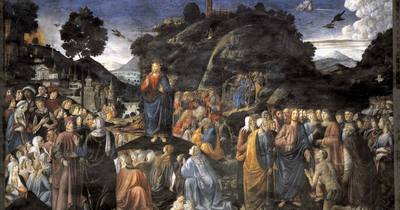
Who Is Carrying It
“Take no thought” is not about thinking less. Martha, Moses, the grammar, the commentators, and what the research on rumination can and cannot say.
56 letters. Part of the index of letters.